
Preparing for an ACSA External COR Safety Audit: Your Comprehensive Business Guide
Preparing for an ACSA external COR safety audit is a critical step for any Alberta business aiming to meet industry standards, maintain eligibility for contracts, and demonstrate a robust safety culture.
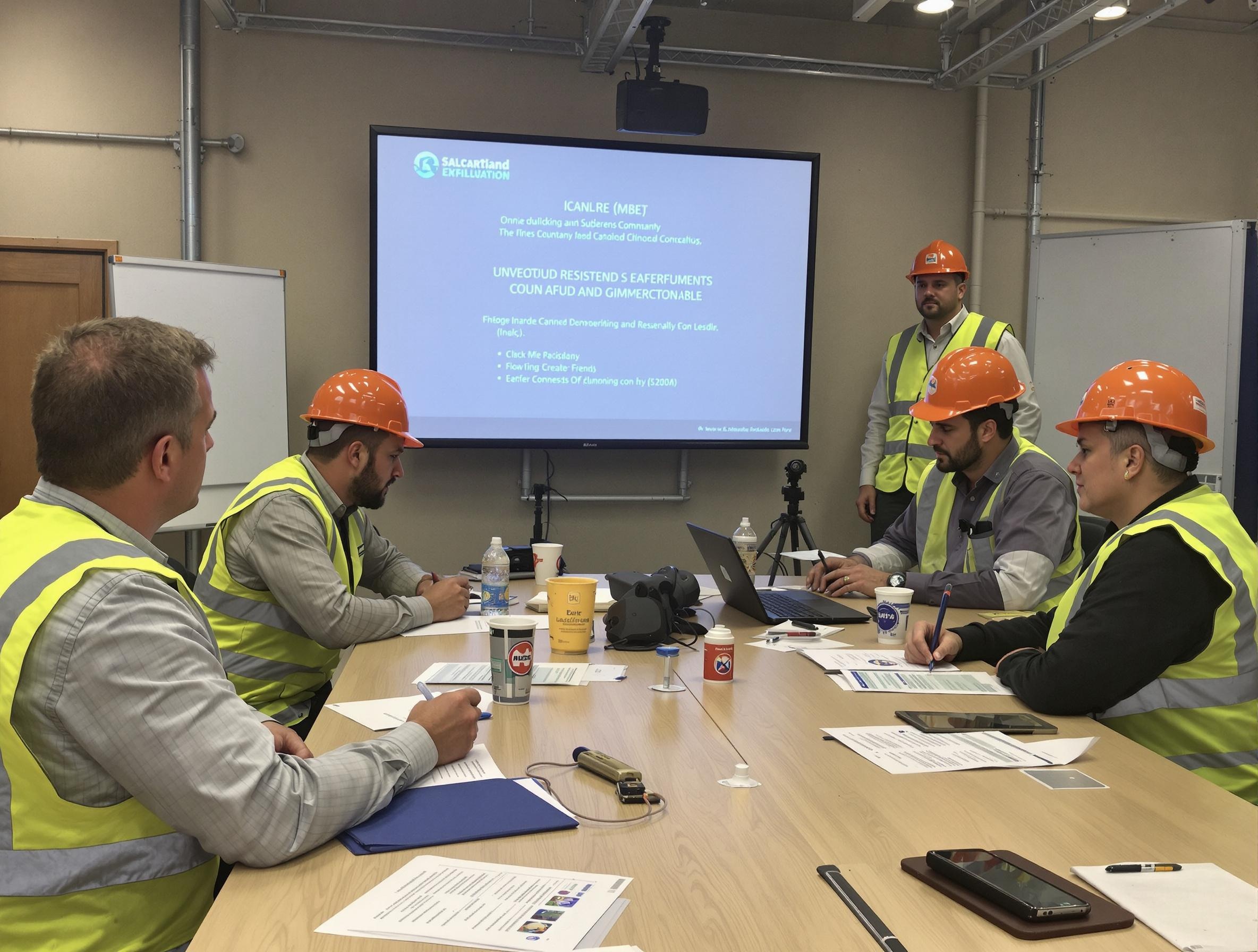
The process requires careful planning, thorough documentation, and team engagement. This guide provides a clear, actionable approach to ensure your organization is ready for every aspect of the audit process, from documentation to site preparation and follow-up.
Why the ACSA External COR Audit Matters
- The ACSA external COR safety audit validates your health and safety management system and is often mandatory for contract eligibility in Alberta industries.
- Achieving COR certification demonstrates a serious commitment to occupational health and safety (OHS) and positions your business as a trusted partner in construction and related sectors.
- The audit is conducted by certified external auditors to ensure objectivity and compliance with Alberta standards.
What to Expect During the Audit
The process involves a comprehensive review of your safety management system, including documentation, interviews with employees, and site observations. The auditor assesses your compliance with COR requirements using the ACSA audit tool.
The typical audit covers:
- Health and safety manual review
- Documentation checks (training, inspections, incident reports)
- Worker, supervisor, and manager interviews
- Site observations and safety walkthroughs
- Review of hazard assessments and controls
- Emergency response plan evaluation
Step 1: Get Your Documentation in Order
Documentation is the backbone of your COR audit. Start by reviewing and organizing these key documents:
- Health and Safety Manual — Ensure it's current, covers all required elements, and reflects your actual practices
- Training Records — Complete records for all employees, including orientation, job-specific training, and certifications
- Inspection Logs — Regular workplace inspections with documented findings and follow-up actions
- Incident Reports — All incidents, near-misses, and investigations with corrective actions
- Meeting Minutes — Health and safety committee or toolbox meeting records
- Hazard Assessments — Formal hazard assessments (FHAs) for all job tasks with identified controls
- Emergency Response Plans — Current plans with evidence of drills and exercises
Step 2: Prepare Your Team
Your employees are a critical part of the audit. The auditor will interview workers at all levels to understand how safety is practiced day-to-day. Here's how to prepare:
- Let your team know the audit is happening and what to expect
- Reassure them that interviews are confidential and not about finding fault
- Encourage honest, open responses — the auditor is looking for real practices, not rehearsed answers
- Review key safety procedures so they're fresh in everyone's mind
- Ensure supervisors can speak to how they manage safety on their crews
Step 3: Site Readiness
The auditor will conduct site observations to verify that your documented safety practices are being followed in the field. Before the audit:
- Ensure all required signage is posted and visible
- Verify that PPE is available, in good condition, and being used correctly
- Check that emergency equipment (fire extinguishers, first aid kits, eyewash stations) is accessible and current
- Confirm that housekeeping standards are being maintained
- Review that all equipment inspections are up to date
Step 4: The Audit Process
A typical external COR audit follows this flow:
- Pre-audit meeting — The auditor explains the process, timeline, and what they'll need from you
- Document and records review — Thorough review of your safety manual, training records, inspections, and other documentation
- Employee interviews — Confidential interviews with workers, supervisors, and managers
- Site observations — Walkthroughs of your workplace(s) to observe safety practices in action
- Post-audit meeting — The auditor shares preliminary findings, themes, and recommendations
- Final report — A detailed report with scores, strengths, deficiencies, and an action plan
Step 5: After the Audit
The audit report is your roadmap for improvement. Here's what to do next:
- Review the findings carefully with your team
- Develop a corrective action plan with clear timelines and responsibilities
- Prioritize actions based on risk and impact
- Document your progress on each action item
- Use the findings to strengthen your safety program for the long term
Common Gaps to Watch For
Based on years of auditing experience, these are the areas where businesses most commonly fall short:
- Missing or incomplete health and safety committee/representative records
- Incomplete hazard assessments or missing controls
- Gaps in inspection records or inconsistent inspection frequencies
- Incomplete meeting minutes or lack of documented follow-up
- Missing emergency equipment or expired supplies
- Inadequate or incomplete training records
Remember:
The COR audit is an opportunity for improvement, not a pass/fail test. Every organization has areas to strengthen. The goal is to identify them, address them, and build a stronger safety culture as a result.
Need help preparing for your COR audit?
I'll walk you through the process step by step — especially if it's your first time.
Get in Touch